연구과제
연구분야
연구과제
연구분야
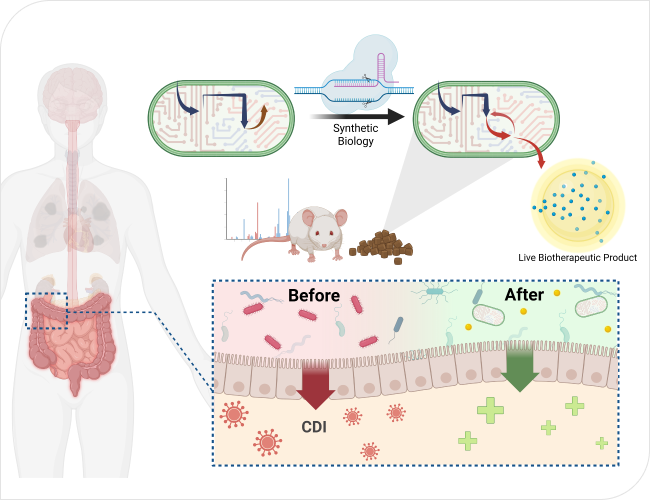
Changes in modern lifestyles and an aging population have led to rising rates of colorectal cancer (CRC) and C. difficile infection (CDI). However, current CRC treatments primarily target metastatic disease, leaving clear gaps in early prevention and long-term management, along with ongoing concerns about side effects and recurrence. CDI treatments also face major limitations due to antibiotic resistance, high recurrence rates, and safety issues associated with fecal microbiota transplantation (FMT).
To address these unmet clinical needs, the SBL is developing a new microbial therapeutic platform based on safe and human-compatible strains. We are evaluating the potential of this platform to prevent CRC and suppress CDI through animal studies and immunological analyses.
This research presents a promising new therapeutic approach for CRC and CDI and holds strong potential for future applications in microbe-based precision medicine.

Ursodeoxycholic acid (UDCA) is a therapeutically important secondary bile acid used not only for the treatment of various hepatobiliary diseases but also as an adjuvant therapy for certain cancers and neurodegenerative disorders. However, conventional UDCA synthesis processes are environmentally harmful and exhibit low production efficiency, presenting significant barriers to sustainable production. These challenges have increased interested in eco-friendly and efficient biocatalyst or microbial production methods.
The SBL aims to develop a microbial therapeutic by establishing enzyme combinations that convert the primary bile acids in the human body into UDCA. This approach provides a more sustainable and economically feasible alternative to conventional UDCA synthesis.
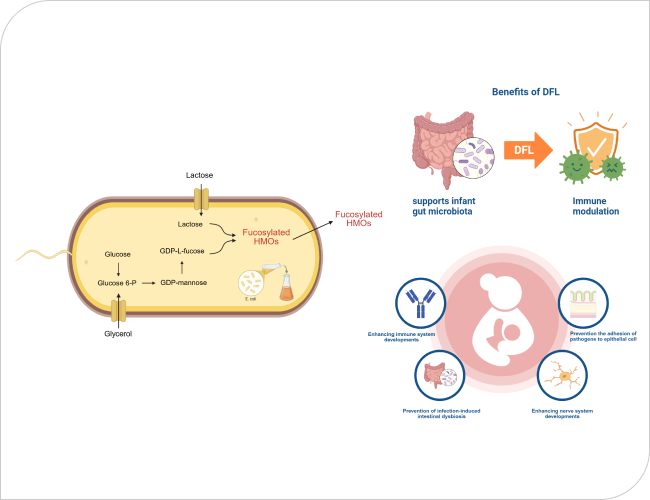
Human milk oligosaccharides (HMOs) are important bioactive components that support healthy gut microbiota, protect against harmful bacteria, and help regulate the immune system. Among them, fucosylated HMOs exhibit strong biological activity and are attracting attention as promising ingredients for functional foods and pharmaceutical products.
The SBL focuses on engineering microorganisms to produce fucosylated HMOs. By enhancing key enzymes, identifying efficient transporters, and optimizing metabolic pathways, we aim to establish robust microbial platforms capable of producing new HMOs in a sustainable and scalable manner.